Renovating an old building presents unique challenges that demand careful planning, especially when it comes to scaffolding. Unlike new construction, older structures often have weakened masonry, unstable facades, fragile decorative elements, or historical significance that requires special consideration-26. Choosing the wrong scaffolding system or erecting it improperly can damage the building fabric, create safety hazards, and derail your project timeline-1. This guide covers everything you need to know about selecting and erecting scaffolding for old building renovation projects.
Understanding the Unique Challenges of Old Buildings
Old buildings are fundamentally different from modern structures. Practices that are commonplace when scaffolding new buildings are not always appropriate for historic or aging structures-3. Contact points between the structure and the scaffold—whether at supports, restraints, or foundations—are the main area of concern-1. Drilled anchors, widely used across the industry, are only acceptable in a heritage context if agreed in advance-1. Early consideration of alternatives and early engagement with conservation officers is strongly recommended-3.
Before any scaffolding is erected, conduct a thorough assessment of the building‘s condition-26. Identify areas that require reinforcement and consult with structural engineers or preservation specialists to determine the safest scaffolding approach-26.
Types of Scaffolding for Old Building Renovation
Selecting the right scaffolding system is vital to ensuring stability while minimizing impact on the building-26. The type you need depends on building height and design, scope of work, ground conditions, obstructions, and whether public access is involved-12.
Independent Scaffolding (Double Scaffolding) is one of the most common types used in renovation projects-12. It stands independently from the building and is supported by two rows of standards. This type is ideal for projects where the building surface isn‘t strong enough to support scaffolding ties-12.
Birdcage Scaffolding creates a freestanding box structure with multiple rows of standards and ledgers-12. It‘s commonly used for internal work such as ceiling renovations, interior decoration, and large internal spaces like churches or theatres-12.
Cantilever Scaffolding is supported by needles anchored into the building rather than the ground, projecting outward-12. This is ideal for areas with limited ground access, busy footpaths, or buildings with fragile or uneven ground at the base-12.
Suspended Scaffolding uses ropes or chains to suspend a platform from the roof or upper level-12. It‘s best for high-rise facade work, painting tall buildings, or inspections-12.
Temporary Propping or Shoring may be necessary when works cannot start immediately, to prevent further deterioration or even collapse of the building fabric-2.
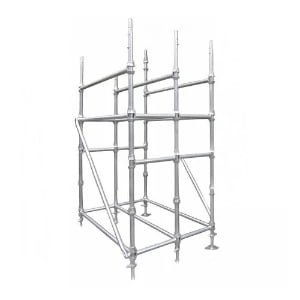
Modular Scaffolding offers flexibility for irregular layouts, courtyards, or technical installations thanks to its adaptable grid–.
Scaffolding Erection: Critical Considerations
Detailed Planning and Design
It is necessary to have detailed plans and scaffolding designs in place before any work commences-2. Erecting scaffolding without proper planning could harm the historic fabric of a building-2. Aspects such as selecting a scaffolding system, obtaining necessary consents, planning for electrical earthing, and determining scaffolding tie types should be carefully planned beforehand-2.
Protecting the Building Fabric
When setting up scaffolding, take precautions to avoid damaging the structure-26:
-
Use padding and protection around contact points to prevent scratches or indentations-26
-
Avoid drilling or anchoring into historical masonry unless absolutely necessary-26
-
Distribute weight evenly and use base plates or wooden planks to prevent excessive pressure on fragile surfaces-26
Ground Conditions and Foundation
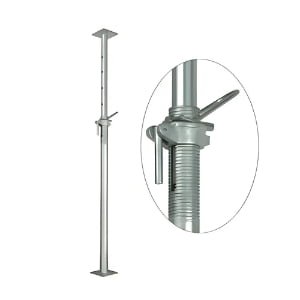
The ground must be firm, level, and stable-23. Use base plates or adjustable jacks to ensure the scaffold stands evenly, even on uneven terrain-23. Never set up directly on soft ground without proper support. On historic sites, access may be limited due to narrow passages, archaeological remains, or soft ground-2.
Tie-in and Securing
Scaffolds must be secured to the building or structure at intervals not to exceed 30 feet horizontally and 26 feet vertically–. For old buildings, tie-in methods must be carefully selected to avoid damaging fragile masonry. Consider using non-invasive tie systems or weight-based stabilization where possible.
Fall Protection
All scaffolds more than six feet above the lower level shall protect employees with guardrails on each open side–. Guardrails must be installed along the open sides and ends before releasing the scaffold for use–. Toeboards are essential to prevent tools and materials from falling on people below-23.
Load Capacity
Scaffolding must be able to support its own weight plus four times the maximum intended load–. For old building renovation, consider the additional weight of materials, equipment, and the potential for concentrated loads. Never overload scaffolding—planking should not sag more than 1/60th of span–.
Regular Inspections
Scaffolds and scaffold components must be inspected for visible defects by a competent person before each work shift, and after any occurrence which could affect structural integrity–. Inspections should also be conducted:
-
After alterations
-
After severe weather
-
At least every 7 days-23
Consents and Regulatory Compliance
Structures that are listed may require listed building consent for works including temporary fixings-2. The control of works affecting scheduled monuments is more stringent, and it is likely that any work requiring scaffolding will require scheduled monument consent-2. In both cases, there is likely to be a preference against drilled anchor ties-2.
Training and Competency
Scaffolds must be erected, dismantled, or moved only by properly trained workers–. Only competent persons should design, erect, or modify scaffolding for old building projects. Workers must receive proper training on safe access and egress, proper use of personal protective equipment, load limits, and emergency procedures.
Weather Considerations
Weather conditions significantly impact scaffolding safety. Consider weather conditions—wet or gusty days may warrant additional precautions or modified schedules–. High winds can destabilize scaffolding, while rain can create slippery surfaces. Establish clear weather-related work stoppage procedures.
Conclusion
Old building renovation requires a thoughtful approach to scaffolding selection and erection. Success depends on meticulous site assessment, selecting the right scaffolding system for the specific challenges, protecting the building fabric during installation, and maintaining strict adherence to safety standards-1. By following these guidelines and engaging with conservation professionals early in the process, construction teams can safely and effectively complete renovation projects while preserving the integrity of the historic structure-3. Remember: when working with old buildings, the goal is not just to complete the project safely, but to do so without causing irreversible damage to the structure you are trying to preserve.