Worried about the safety of working at heights? Complex scaffolding might look shaky. In reality, professional scaffolding1 is crucial for ensuring smooth operations and worker safety.
Scaffolding is a temporary structure used to support workers, materials, and equipment. [19] It provides a stable, safe work platform, enabling high-altitude construction, repair, or cleaning work to be done efficiently. Choosing the right type of scaffolding and erecting it strictly according to regulations is fundamental to ensuring the safety of the entire project.
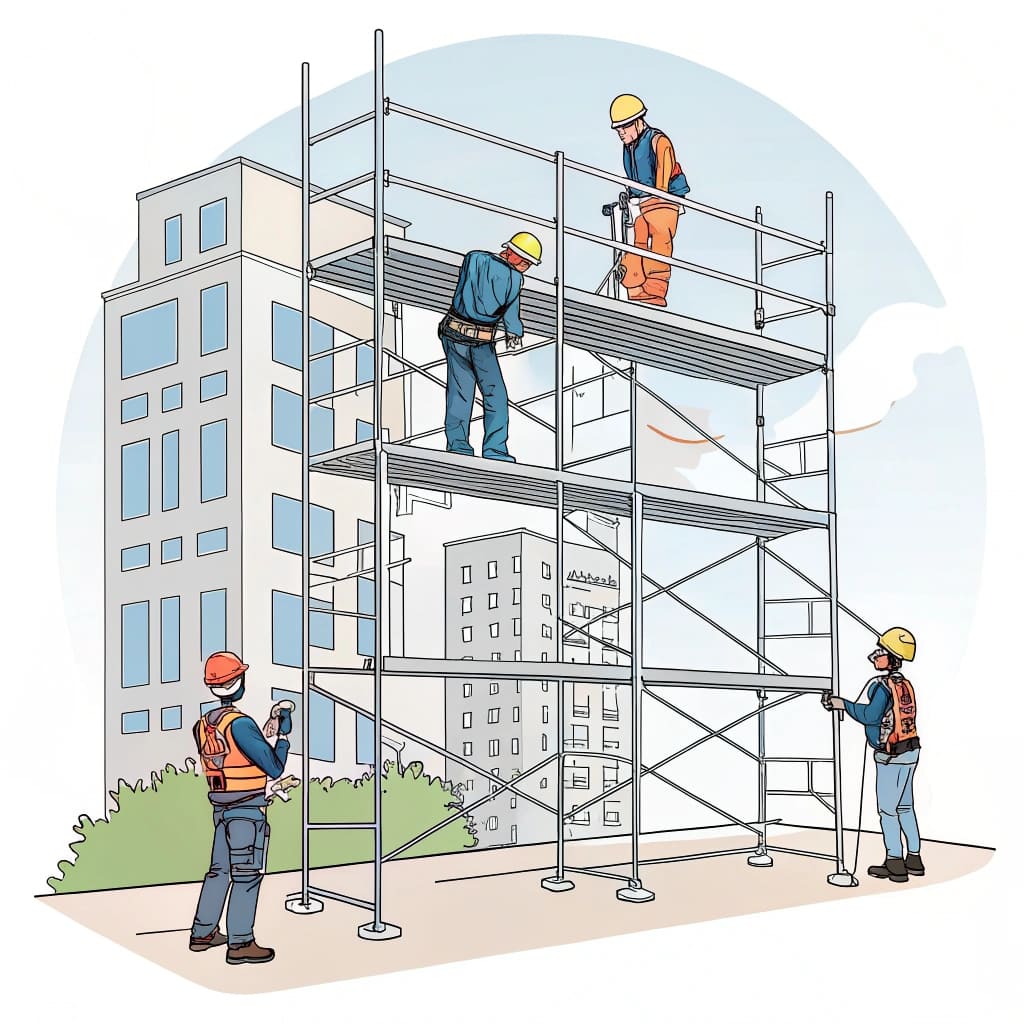
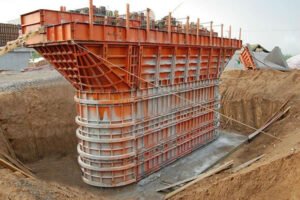
In my career designing molds, our products are often used in large-scale construction projects. This sparked a deep interest in the auxiliary structures that support these massive undertakings, especially the complex yet vital scaffolding. What technologies and standards lie behind them? Let's dive deep into this seemingly ordinary but indispensable engineering element.
Which Type of Scaffolding Do Different Projects Need?
Project types vary greatly. Choosing the wrong scaffolding not only reduces efficiency but can also cause serious accidents. Don't worry, understanding a few basic types will help you make the right choice based on your actual needs.
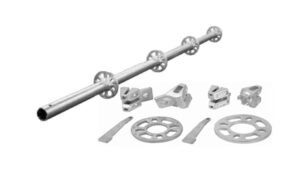
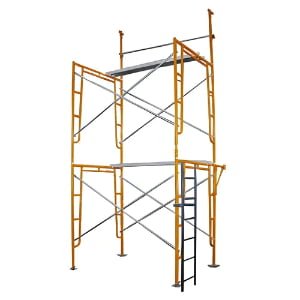
The most common types include tube and coupler, frame, and more advanced system scaffolding2 like ringlock. [21] Tube and coupler scaffolds offer flexibility, frame scaffolds are quick to assemble, and system scaffolding2 is favored in large-scale projects for its strength and stability. [4, 21, 26]
<sup id=](https://tsxscaffold.com/wp-content/uploads/2025/08/provide-an-illustration-for-the-following-text-wor-1.jpg)
Diving Deeper into Scaffolding Selection
Choosing the right scaffolding for different engineering tasks is critical. This isn't just about cost; it directly impacts construction safety and efficiency. I remember visiting a large bridge project where they used high-load-capacity ringlock scaffolding, which provided an incredibly stable structure. In contrast, at ordinary residential renovation sites, the more flexible tube and coupler scaffolding is a more common sight.
To understand this more clearly, we can compare several common types of scaffolding3:
| Scaffolding Type | Main Advantages | Main Disadvantages | Applicable Scenarios |
|---|---|---|---|
| Tube and Coupler | Highly flexible, adaptable, relatively low cost. | Slow to erect, couplers can be lost, requires skilled labor. | Traditional construction, complex structures, renovation work. [21] |
| Frame Scaffolding | Fast erection, simple structure, easy to move. [23] | Fixed dimensions, less flexible, not ideal for irregular buildings. [23] | Quick construction, interior finishing, simple facade work. [23] |
| System (Ringlock) | High load capacity, stable structure, safe and reliable, fast erection. [9, 11] | Higher initial investment, heavier components. |