Scaffolding is a temporary structural system essential for construction, maintenance, and renovation projects, providing safe access and working platforms for workers at elevated heights. As a core component of modern construction, understanding scaffolding types, compliance requirements, and safety best practices can reduce worksite accidents and improve project efficiency. This guide covers everything contractors, project managers, and construction professionals need to know about scaffolding for construction projects.
Common Types of Scaffolding for Construction Projects
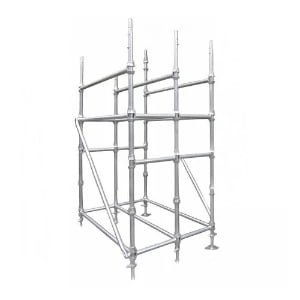
Different construction scenarios require different scaffolding systems matched to project height, load capacity, and site conditions. The most widely used types include single-row scaffolding, double-row scaffolding, cantilever scaffolding, and mobile scaffolding. Single-row scaffolding, designed for light-duty work such as exterior wall plastering, is typically used for low-rise projects under 24 meters. It connects one row of vertical poles to the building wall, occupying minimal space while providing adequate working area for small-scale tasks. Double-row scaffolding, by contrast, features two rows of vertical poles for higher load capacity, making it suitable for masonry work and exterior decoration on buildings taller than 24 meters.
For high-rise construction projects where ground installation is not feasible, cantilever scaffolding is the preferred solution. This system is anchored to the building’s main structure, supporting the working platform from the upper level to avoid ground obstacles. Mobile scaffolding, often fitted with casters for easy movement, is ideal for maintenance work such as window cleaning or interior finishing, allowing teams to reposition the platform quickly between work areas.
Critical Safety Standards for Scaffolding Erection and Inspection
Safety compliance is non-negotiable for scaffolding work, as falls from elevation remain one of the leading causes of construction site fatalities. Global safety standards outline clear requirements for bracing and stability: for single-row and double-row scaffolding under 24 meters, continuous scissors braces must be installed from bottom to top at the ends, corners, and at least every 15 meters vertically. For double-row scaffolding 24 meters or taller, continuous scissors braces are required across the entire outer facade to maintain structural stability.
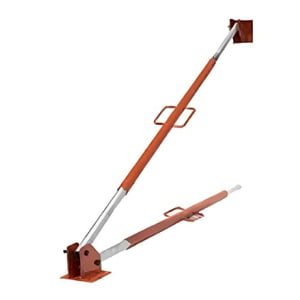
During the early stages of erection, when wall ties have not yet been fully installed, temporary guy ropes should be added every 6 spans to prevent tipping. These temporary supports can only be removed after wall ties are securely fixed and inspected. Before any work begins, all components require a thorough pre-use inspection: check that casters are locked, all braces are securely fastened, and the working deck is fully seated and locked with safety latches. Wooden decks must be inspected for wear, damage, or large holes, and worn components must be replaced immediately to prevent falls. For working platforms higher than 1.8 meters, guardrails must be installed on all open edges to protect workers from falling.
Best Practices for Scaffolding Dismantling and Maintenance
Proper dismantling procedures are just as important as safe erection. Scaffolding must be dismantled layer by layer from top to bottom, never working from the bottom up. All materials must be lowered with lifting equipment, never thrown down from height, to avoid injury to ground workers. All components should be cleaned, inspected, and sorted after dismantling: damaged fasteners, bent poles, or cracked planks should be tagged and removed from service for repair or replacement.
For reusable scaffolding components, proper storage extends service life and reduces long-term costs. Steel poles and braces should be stored off the ground in a dry area to prevent rust, while wooden planks should be stacked flat away from direct sunlight to avoid warping. When reusing components, always re-inspect every part before erection to ensure no hidden damage that could compromise safety.
Conclusion
Scaffolding is a foundational part of almost any elevated construction work, and prioritizing safety, compliance, and best practices protects workers and keeps projects on schedule. Whether you are working on a small residential renovation or a large commercial high-rise, choosing the right scaffolding type, following local safety standards, and conducting regular inspections will ensure your work proceeds safely and efficiently.
If you are looking for high-quality, compliant scaffolding products for your next project, contact our team today for a customized quote and professional technical guidance.